

Mongolia’s future depends on its youngest and largest asset: its people.
More than 60% of Mongolia’s 3.5 million people are under 35 — a generation that could power the economy, fill critical skill gaps, and drive growth.
But that potential is being lost at two critical moments.
In the first years of life, when the foundations for lifelong learning are set.
100,000
(out of 460,000)
children (aged 0-5) have no access to care and education services,
and those who have access often receive inadequate support.
At the transition into work, when education should be translating into practice.
137,000
(out of 720,000)
youth (aged 15-29) outside of education, employment or training entirely,
and even those who find work often do so in informal, low-quality jobs.
Behind these numbers, systems are failing to reach those in need and falling short even for those they do.
-
No formal childcare services for children under 2.
70% of children from low-income families lack access to early learning services.
Children with disabilities represent less than 1% of those enrolled.
Quality undermined by overcrowded classrooms and overburdened teachers.
Parents and caregivers are not supported, struggling to provide the nurturing home environment.
-
96% of economically inactive youth have some education.
Half of university graduates fail to meet employer requirements.
Young women represent 60% of inactive youth, held back by care duties.
Youth with disabilities face deepest exclusion – only 25% are employed.
1 in 3 employed youth lives below poverty line – any job is no guarantee.
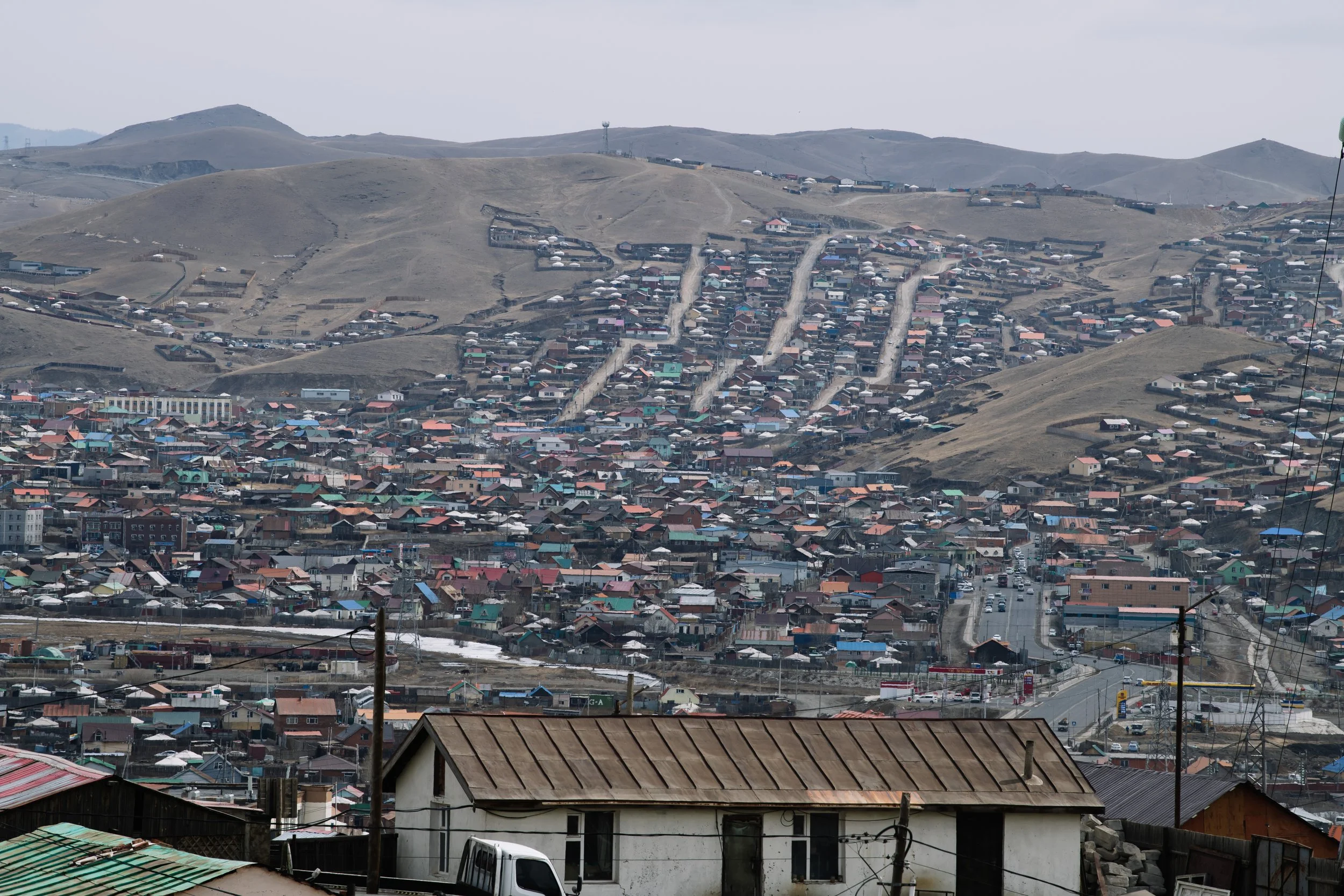
Where the crisis concentrates
More than half of Mongolia now lives in Ulaanbaatar, where the population tripled in twenty years. Most newcomers settled in ‘ger’ districts—informal settlements that house 60% of residents, yet critically lack basic infrastructures, access to education and economic opportunities.
Solvable. Now.
Evidence shows that investments in young children and youth, when particularly targeted toward underserved groups, unlock human potential with lasting benefits for individuals and societies.
Proven solutions exist – what works is known and ready to scale.
Half of the country in one city – opportunity to reach a large share of the population fast.
Workforce development – a key priority of government and the private sector.